 stayinsa.co.za
Welcome to stayinsa.co.za
South Africa occupies the southernmost tip of the African continent, flanked by the Atlantic Ocean to the west and the warm Indian Ocean to the east. Few countries on earth match its geographical and ecological variety: in a single two-week journey you can traverse dramatic sea-cliffs, ancient botanical fynbos, semi-arid Karoo plains, subtropical coastal forests, and the vast savanna wilderness of the Lowveld.
At stayinsa.co.za, our goal is to provide independent travelers with realistic road notes, regional logistics, and vetted accommodation guidance across South Africa's most iconic regions. The national road infrastructure is solid, rental cars are economical, and lodging choices range from affordable national park bungalows to luxury safari reserves and historic Cape Dutch wine farms.
Key Travel Regions
Because the country covers over 1.2 million square kilometers, attempting to see everything on a standard holiday often results in excessive driving. Most travelers concentrate their time into three distinct corridors:
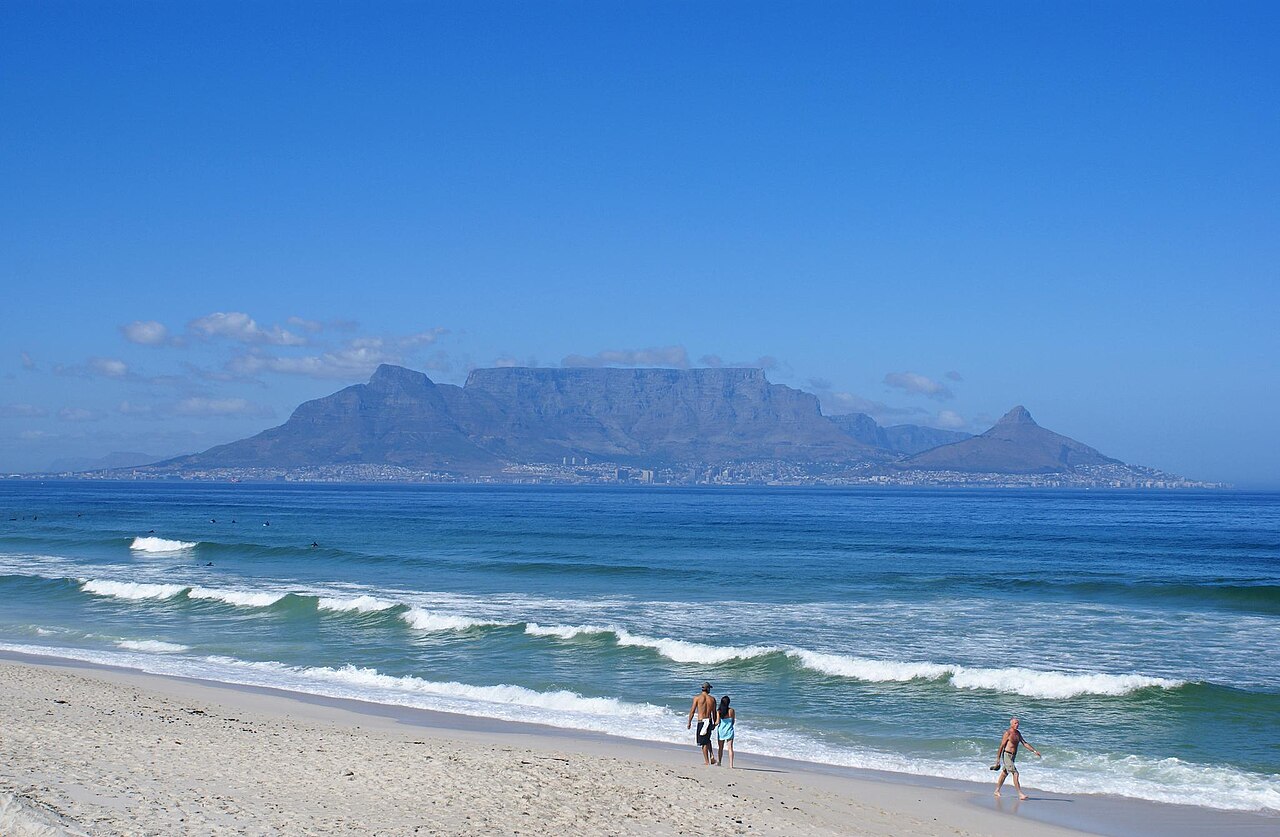
- The Western Cape & Cape Town: World-class urban scenery beneath Table Mountain, historic Atlantic coastal drives, colonies of African penguins, and the centuries-old wine estates of Stellenbosch and Franschhoek.
- The Greater Kruger & Mpumalanga: The premier destination for big game viewing, encompassing Kruger National Park and surrounding private reserves, alongside the dramatic viewpoints of the Panorama Route and Blyde River Canyon.
- The Garden Route & Eastern Cape: A 300-kilometer coastal corridor stretching between Mossel Bay and the ancient indigenous forests of Tsitsikamma, ideal for hiking, marine life observation, and relaxed road trips.
Where to Stay Across South Africa
Choosing where to stay defines the character of your trip. South Africa offers distinct lodging styles suited to every travel budget:
- National Park Rest Camps: SANParks operates camps like Lower Sabie and Satara in Kruger, offering self-catering bungalows and safari tents directly in wildlife habitats (from R1,850/night).
- Cape Town & Peninsula Stays: From grand heritage landmarks like The Mount Nelson in the City Bowl to marina-front guesthouses like Simon's Town Quayside Hotel near Boulders Beach.
- Historic Cape Dutch Wine Farms: Working vineyards in Franschhoek and Stellenbosch (such as Babylonstoren and Lanzerac) offering farm-to-table dining and vineyard cottages.
- Garden Route Coastal Lodges: Historic village inns like Tsitsikamma Village Inn and converted heritage timber lofts on Knysna Lagoon.
» Explore our full directory with verified 2026 rates and booking advice in our Where to Stay Guide.
Suggested First-Time Itinerary (14 Days)
| Days | Location | Recommended Focus & Stays |
|---|---|---|
| Days 1 – 4 | Cape Town & Peninsula | Table Mountain, Boulders Beach penguins, Cape Point. Stay: Gardens / Camps Bay / Simon's Town. |
| Days 5 – 6 | Cape Winelands | Wine tasting, Cape Dutch architecture, and mountain scenery. Stay: Franschhoek or Stellenbosch wine farm. |
| Days 7 – 9 | The Garden Route | Wilderness National Park, Knysna Heads, and Tsitsikamma trails. Stay: Wilderness, Knysna, or Storms River. |
| Days 10 – 14 | Greater Kruger National Park | Domestic flight to Nelspruit (MQP); 4 days tracking the Big Five. Stay: Lower Sabie or Satara rest camp. |
Road Travel & Driving Conditions
Self-driving is one of the greatest pleasures of traveling in South Africa. Major highways (designated as "N" routes, such as the N1, N2, and N3) are generally well maintained, with clear signposting and frequent 24-hour service stations. Traffic drives on the left-hand side of the road. Outside major cities, maintain vigilance for potholes on secondary routes, domestic livestock grazing near road verges, and pedestrians crossing rural roads.