 stayinsa.co.za
Kruger National Park & Safari Guide
Covering nearly 20,000 square kilometers across Limpopo and Mpumalanga provinces, Kruger National Park is one of the world's premier wildlife sanctuaries. Established in 1898 as the Sabie Game Reserve and proclaimed a national park in 1926, it supports unmatched biodiversity: 147 mammal species, over 500 species of birds, and 336 types of indigenous trees.
Where to Stay: Rest Camps vs. Private Game Lodges
Choosing your safari base directly impacts your experience and budget. The two primary lodging approaches in the Greater Kruger ecosystem are:
- SANParks Public Rest Camps (Self-Drive): Exceptional value and complete independence. You rent a car (a standard 2WD hatchback or small SUV works on all main roads), stay in comfortable self-catering thatched bungalows or safari tents (R1,850 to R2,850/night), and set your own daily rhythm along well-signposted tar and graded gravel routes.
- Private Nature Reserves (e.g., Sabi Sand, Manyeleti, Timbavati): Sharing an unfenced border with Kruger, private reserves permit off-road driving in open 4x4 vehicles with professional rangers and trackers, night drives with spotlights, and luxurious all-inclusive lodging (R5,400 to R34,000+ p/person sharing).
The "Big Five" and Where to Find Them
The term "Big Five" was originally coined by colonial big-game hunters to describe the five most difficult and dangerous African mammals to track on foot. Today it is the benchmark of wildlife viewing:
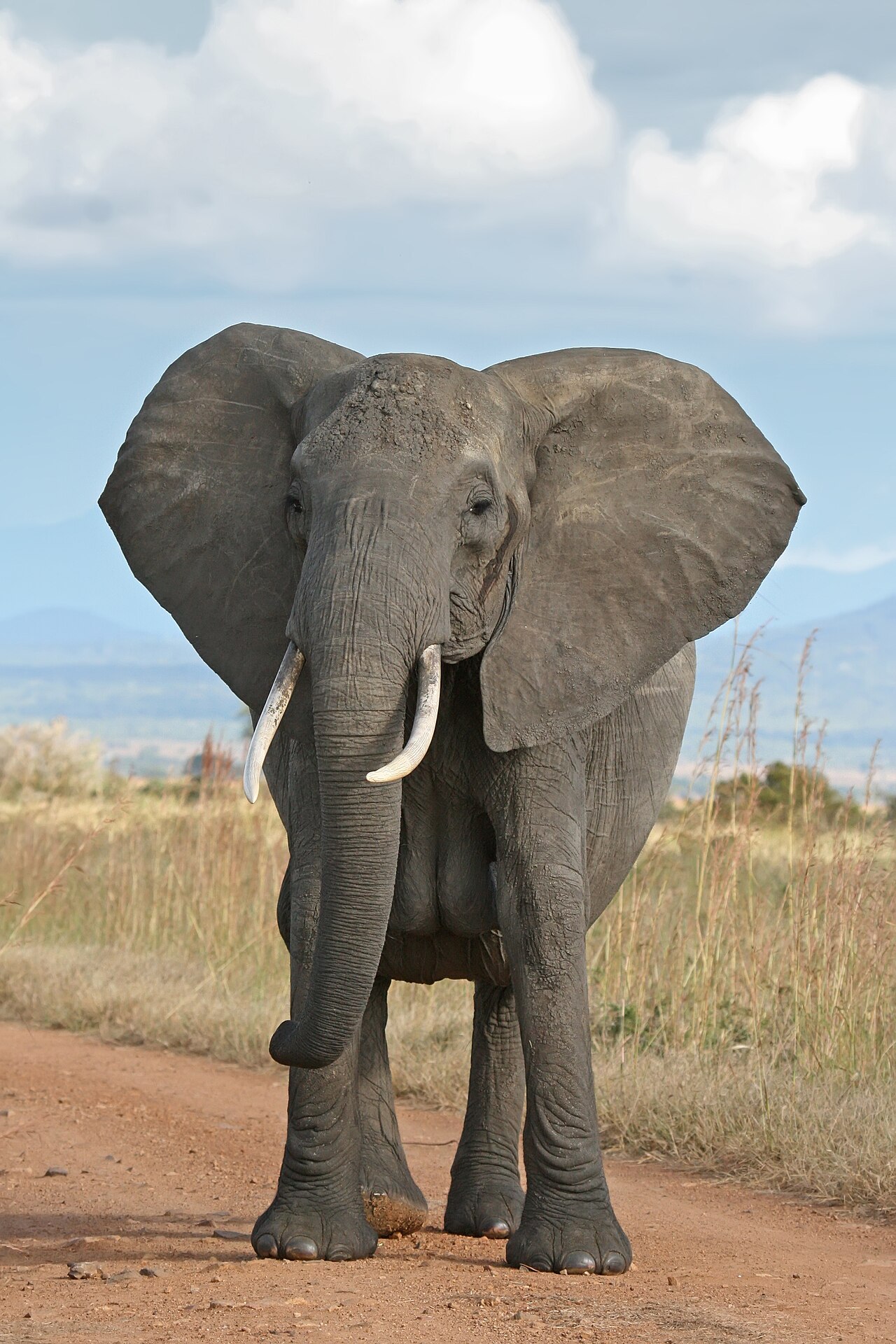
- African Elephant: Abundant throughout the park, especially along riverbeds such as the Sabie, Olifants, and Letaba rivers.
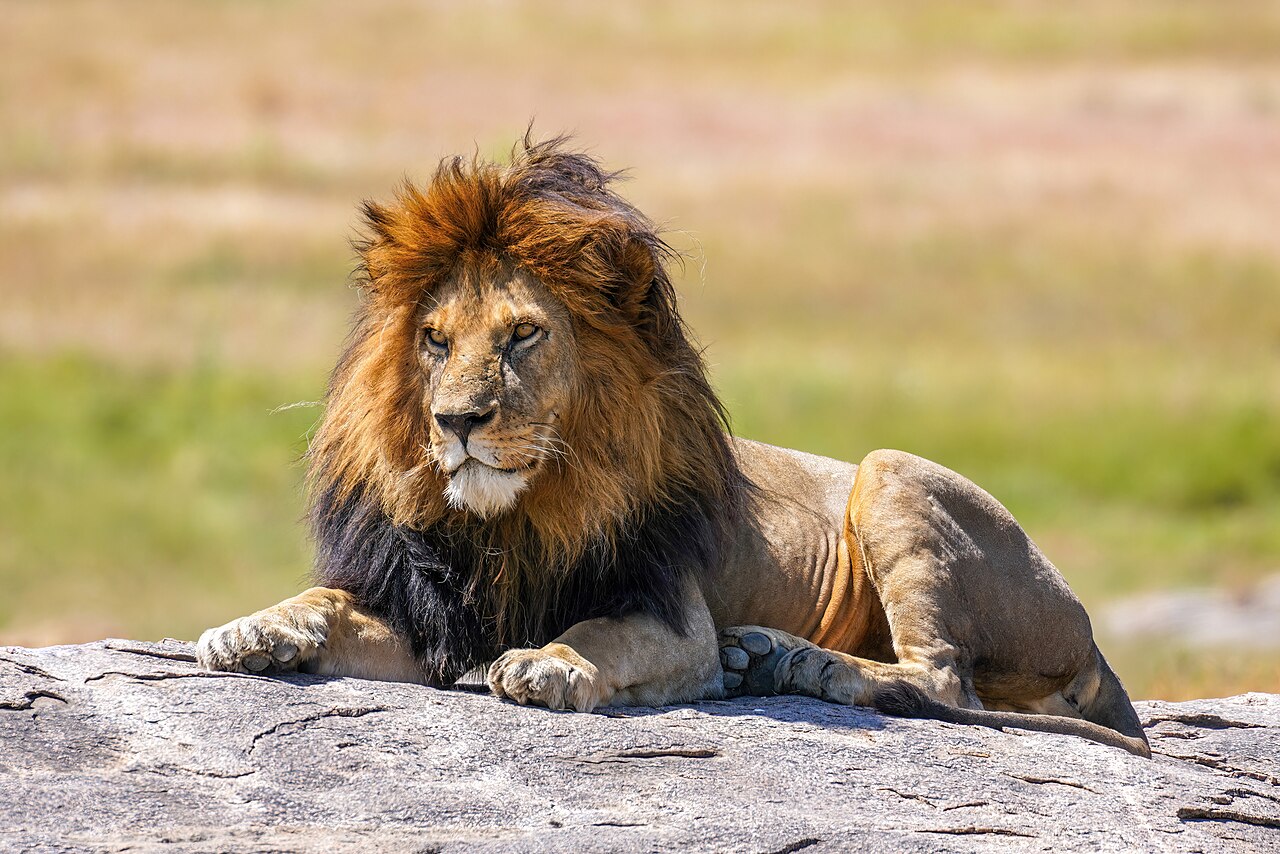
- African Lion: The central plains around Satara Rest Camp are known as "cat country" due to huge herds of zebra and wildebeest.
- Cape Buffalo: Encountered in massive herds along river corridors; notorious for their formidable gaze and collective defense against predators.
- Leopard: Solitary and nocturnal; frequently spotted draped across branches of large jackalberry or weeping boer-bean trees along the river loops between Skukuza and Lower Sabie.
- Rhinoceros: Both white (square-lipped) and black (hook-lipped) rhinos inhabit the bush. Due to ongoing anti-poaching security, sighting locations are never posted publicly on sighting boards.
Recommended Stays in the Greater Kruger
| Property / Camp | Region | Typical Rate (2026) | Lodging Character & Game Highlights |
|---|---|---|---|
| Lower Sabie Rest Camp | Southern Kruger (SANParks) | R1,850 – R2,850 / unit | River-facing safari tents and thatched bungalows overlooking the Sabie River weir. Prime territory for leopards, lions, and hippos. Book 11 months ahead. |
| Satara Rest Camp | Central Kruger (SANParks) | R1,850 – R2,750 / unit | Classic savanna bush camp. Flat open grasslands draw massive herds of grazing herbivores, making it the top camp for viewing lion prides and cheetahs. |
| Honeyguide Tented Camp | Manyeleti Reserve | R5,400 – R8,800 p/person | Authentic canvas bush camp in an unfenced 23,000-hectare private reserve bordering Kruger. Guided 4x4 safaris with exceptionally low vehicle density. |
| Sabi Sabi Bush Lodge | Sabi Sand Reserve | R21,000 – R34,000+ p/person | World-renowned luxury safari lodge. World-class leopard tracking, private plunge pools, and gourmet dining in the bushveld boma under the stars. |
» Find detailed price ranges and booking details in our Where to Stay Directory.
- Never exit your vehicle: Unless at an officially designated fenced picnic site or bird hide, stepping out of your car is strictly illegal and life-threatening.
- Gate times are absolute: Park gates and camp gates open at sunrise (05:30 to 06:00) and lock firmly at sunset (17:30 to 18:30 depending on season). Heavy fines are levied for arriving after the gate shuts.
- Speed limits: 50 km/h on paved tar roads, 40 km/h on dirt roads. Radar enforcement is active inside the park.
Health & Malaria Advice
Kruger National Park is situated in a low-to-moderate risk malaria zone, primarily during the warm, wet summer months (October through May). While thousands of travelers visit without issue, standard preventive measures should be taken:
- Consult a travel doctor or medical clinic prior to departure regarding antimalarial prophylaxis (such as atovaquone-proguanil or doxycycline).
- Wear long pants, socks, and long-sleeved light-colored shirts from dusk until dawn when Anopheles mosquitoes feed.
- Apply insect repellent containing 30% to 50% DEET or Picardin to exposed skin.
- Ensure bungalow screens remain latched and use ceiling fans or mosquito nets during the night.