 stayinsa.co.za
Cape Town & The Western Cape
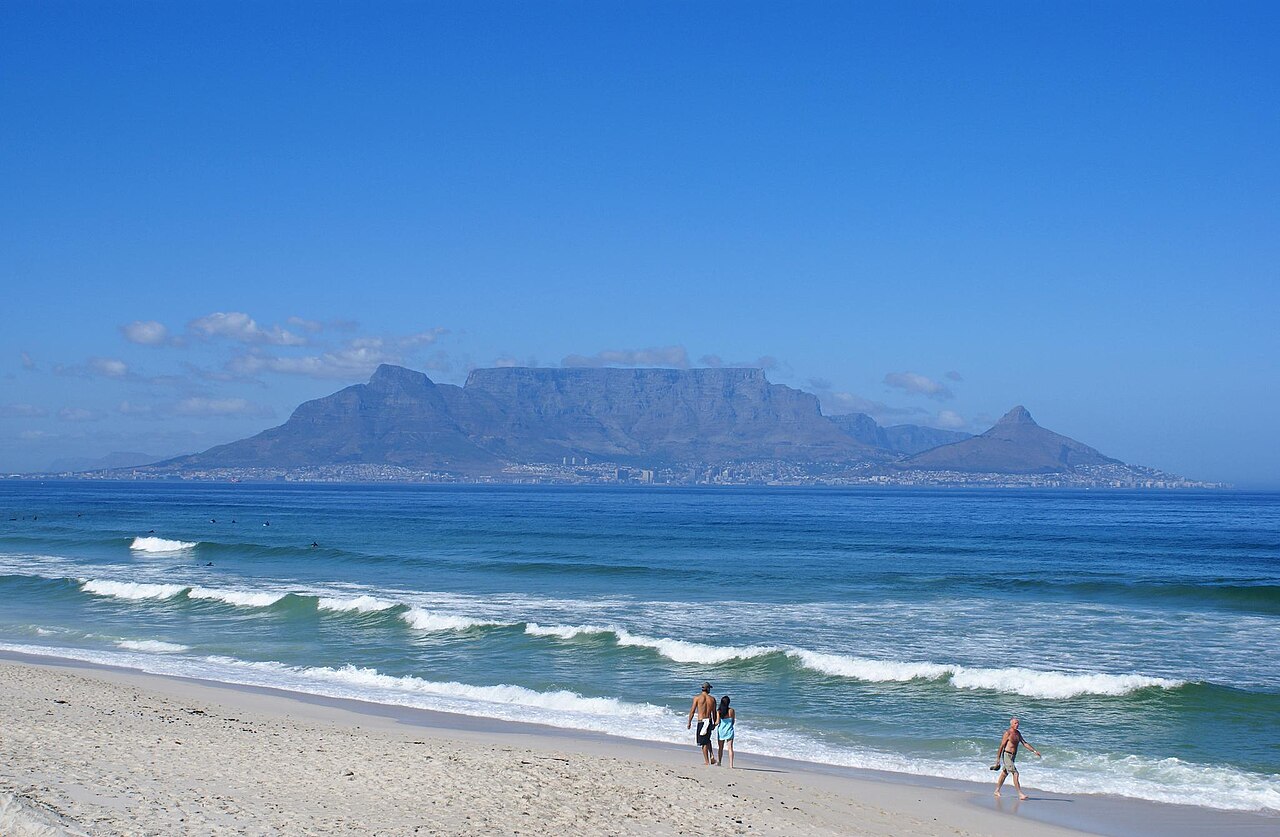
Cape Town sits in one of the most remarkable natural amphitheaters in the world. Dominated by the horizontal summit of Table Mountain and flanked by Devil's Peak and Lion's Head, the city meets the icy waters of the Atlantic Ocean on one side and wraps around to the warmer shores of False Bay on the other.
Ascending Table Mountain
Rising 1,086 meters above sea level, Table Mountain is the focal point of the Cape Peninsula. Visitors have two principal ways of reaching the summit plateau:
- The Aerial Cableway: The rotating cable car takes approximately 5 minutes from the Lower Cableway Station on Tafelberg Road. The cars complete a full 360-degree rotation during the journey, giving every passenger an unbroken view of the City Bowl, Camps Bay, and Table Bay. Tickets should always be purchased online in advance.
- Hiking Trails: The most direct route is Platteklip Gorge, a steep stone-staircase ascent that takes between 2 and 3.5 hours. A greener, more shaded alternative is Skeleton Gorge, which begins inside Kirstenbosch Botanical Gardens and ascends through indigenous afro-montane forest.
The Cape Peninsula Scenic Circuit
A full-day road circuit around the Cape Peninsula is widely regarded as one of the finest coastal drives in Africa. Starting from the city center, head south through Hout Bay and pick up the iconic Chapman's Peak Drive.
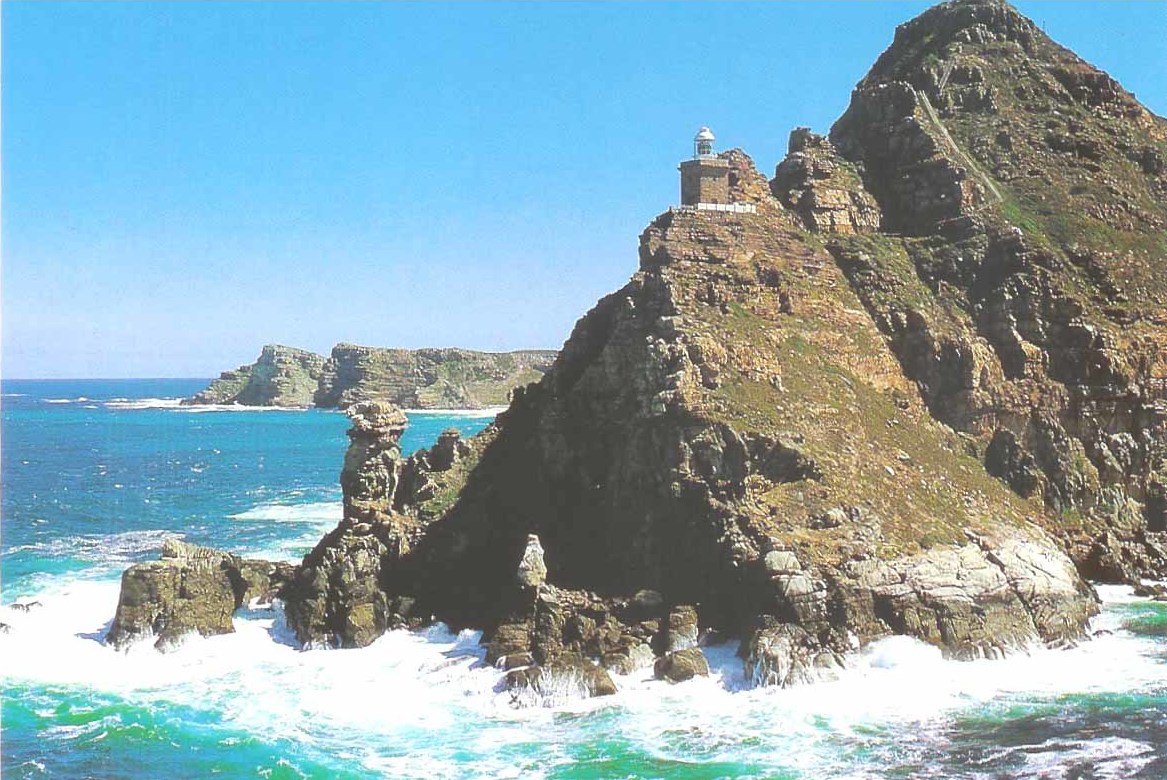
Chapman's Peak Drive ("Chappies"): This 9-kilometer toll road carves directly into sheer granite cliffs rising 593 meters above the Atlantic swell. With 114 curves, it provides dramatic pull-off points where southern right whales can often be spotted between July and November.
Cape Point & The Cape of Good Hope: Located within the southern section of Table Mountain National Park, this windswept wilderness is home to wild ostriches, bontebok antelopes, mountain zebras, and troops of baboons. Take the funicular (or walk the steep paved path) to the old lighthouse at 238 meters above sea level, then walk down the boardwalk path to the rocky promontory of the Cape of Good Hope—the southwesternmost point of the African continent.
The African Penguin Colony at Boulders Beach
Just south of the historic naval settlement of Simon's Town lies Boulders Beach. Sheltered from coastal winds by enormous granite boulders, this cove is home to a land-based breeding colony of endangered African Penguins (Spheniscus demersus).
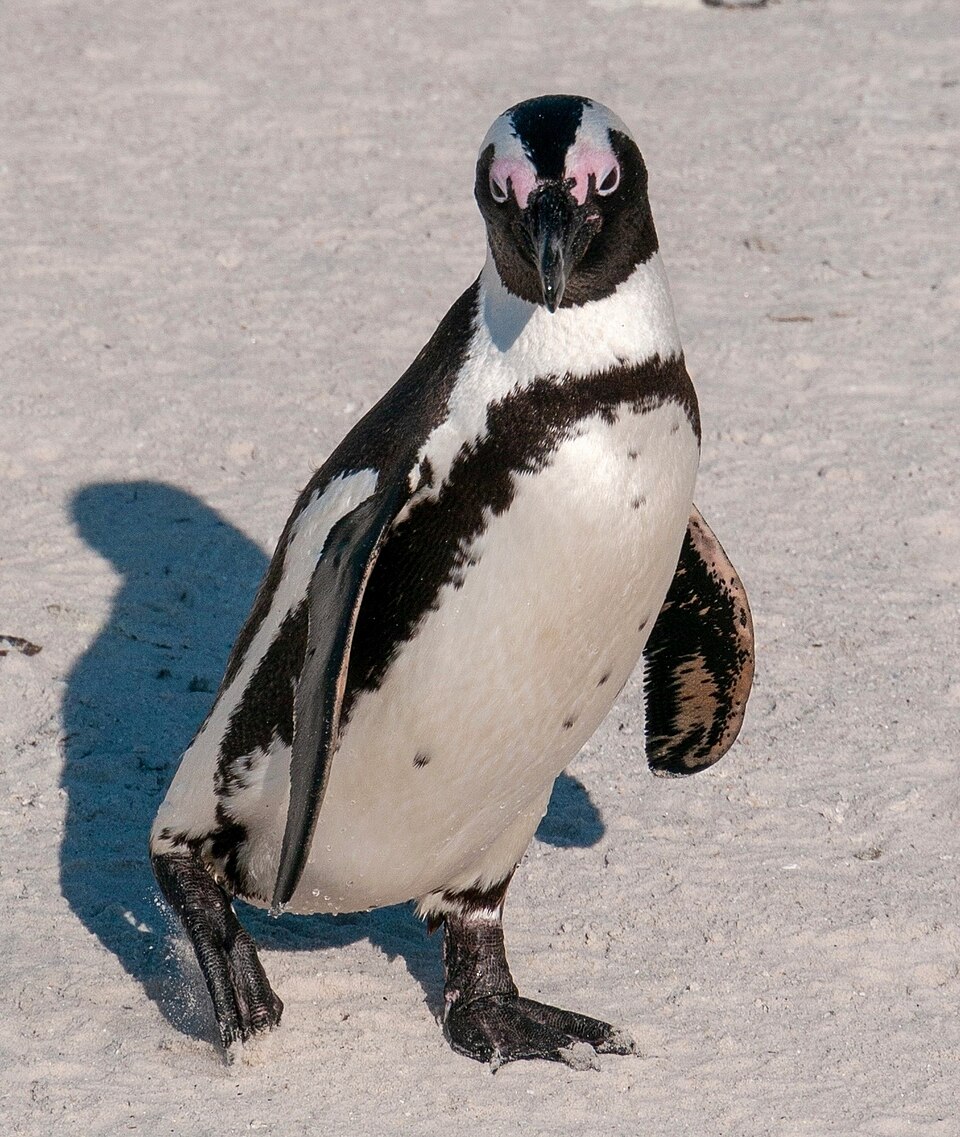
SANParks maintains raised wooden boardwalks starting at the visitor center that wind through the coastal dunes directly above the nesting burrows and beach areas. Visitors can observe the penguins preening, vocalizing (their braying call earned them their historical moniker "jackass penguins"), and navigating the breakers.
The Cape Winelands: Stellenbosch & Franschhoek
Located roughly 45 to 60 minutes east of Cape Town, the Cape Winelands combine viticulture with centuries-old Cape Dutch architecture characterized by whitewashed gables and thatched roofs.
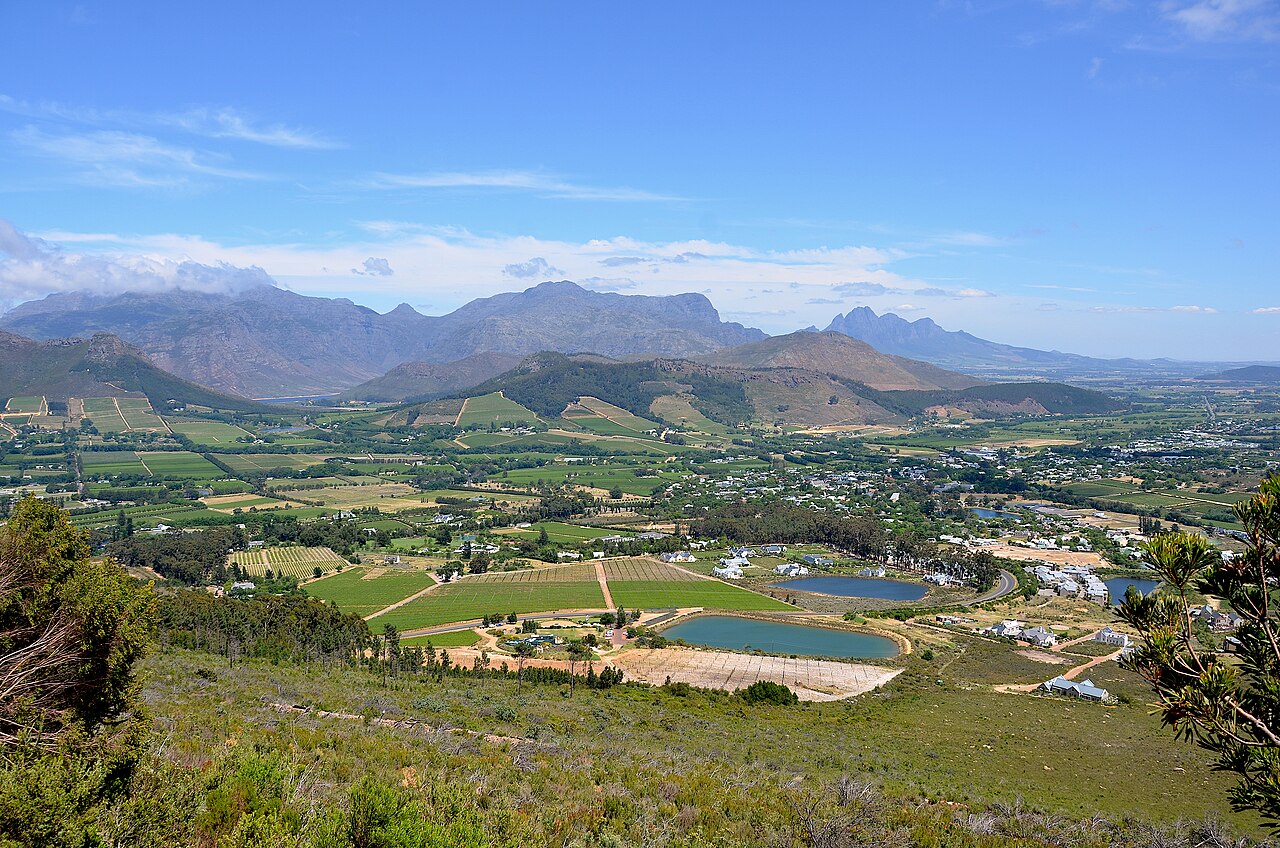
Stellenbosch: Founded in 1679 along the Eerste River, Stellenbosch is South Africa's second-oldest European settlement. Its streets are lined with historic oak trees, Cape Dutch homesteads, and art galleries. Surrounding the town are world-renowned wine estates producing outstanding Cabernet Sauvignon, Chenin Blanc, and Pinotage (South Africa's signature grape variety created in 1925).
Franschhoek: Settled in 1688 by French Huguenot refugees, the "French Corner" is recognized as the culinary capital of the country. A popular way to explore the valley without driving is the Franschhoek Wine Tram, an open-sided hop-on hop-off rail system connecting multiple historic vineyards.
Where to Stay in Cape Town & The Winelands
| Property | Neighborhood | Typical Rate (2026) | Why Stay Here |
|---|---|---|---|
| The Mount Nelson | Gardens, City Bowl | R14,500 – R26,000+ / night | Historic 5-star grand dame hotel. Quiet 9-acre gardens beneath Table Mountain, walking distance to Kloof Street cafes and restaurants. |
| Simon's Town Quayside Hotel | Simon's Town, False Bay | R2,100 – R3,900 / night | Waterfront rooms over the yacht harbor. Ideal base for touring Cape Point and walking to the Boulders Beach penguin colony. |
| Babylonstoren | Simondium / Franschhoek | R12,500 – R22,000+ / cottage | Authentic working Cape Dutch wine farm. Luxurious farm cottages, famous formal gardens, on-site bakery, butchery, and farm-to-table dining. |
| Lanzerac Wine Estate | Jonkershoek, Stellenbosch | R6,500 – R12,000+ / room | Historic 1692 estate where Pinotage was first commercially bottled. Elegant suites set against the dramatic Jonkershoek mountain peaks. |
» See our complete directory of properties and price guides on the Where to Stay page.
Practical Cape Town Field Notes
| Topic | Practical Observation |
|---|---|
| Ocean Temperatures | The Atlantic side (Clifton, Camps Bay, Llandudno) is fed by the Antarctic Benguela Current; water is rarely above 12–14°C (54–57°F). The False Bay side (Muizenberg, Fish Hoek) is significantly milder at 18–21°C (64–70°F). |
| Getting Around | Uber operates cleanly and reliably across Cape Town and into the southern suburbs. For excursions down the Peninsula and out to the Winelands, a rental car provides the most flexibility. |
| Baboon Safety | Troops of Chacma baboons roam the southern Peninsula roads and parking lots. Always keep car windows rolled up and doors locked when baboons are nearby; never carry food in your hands in open parking areas. |